
Glaucoma assessment and monitoring
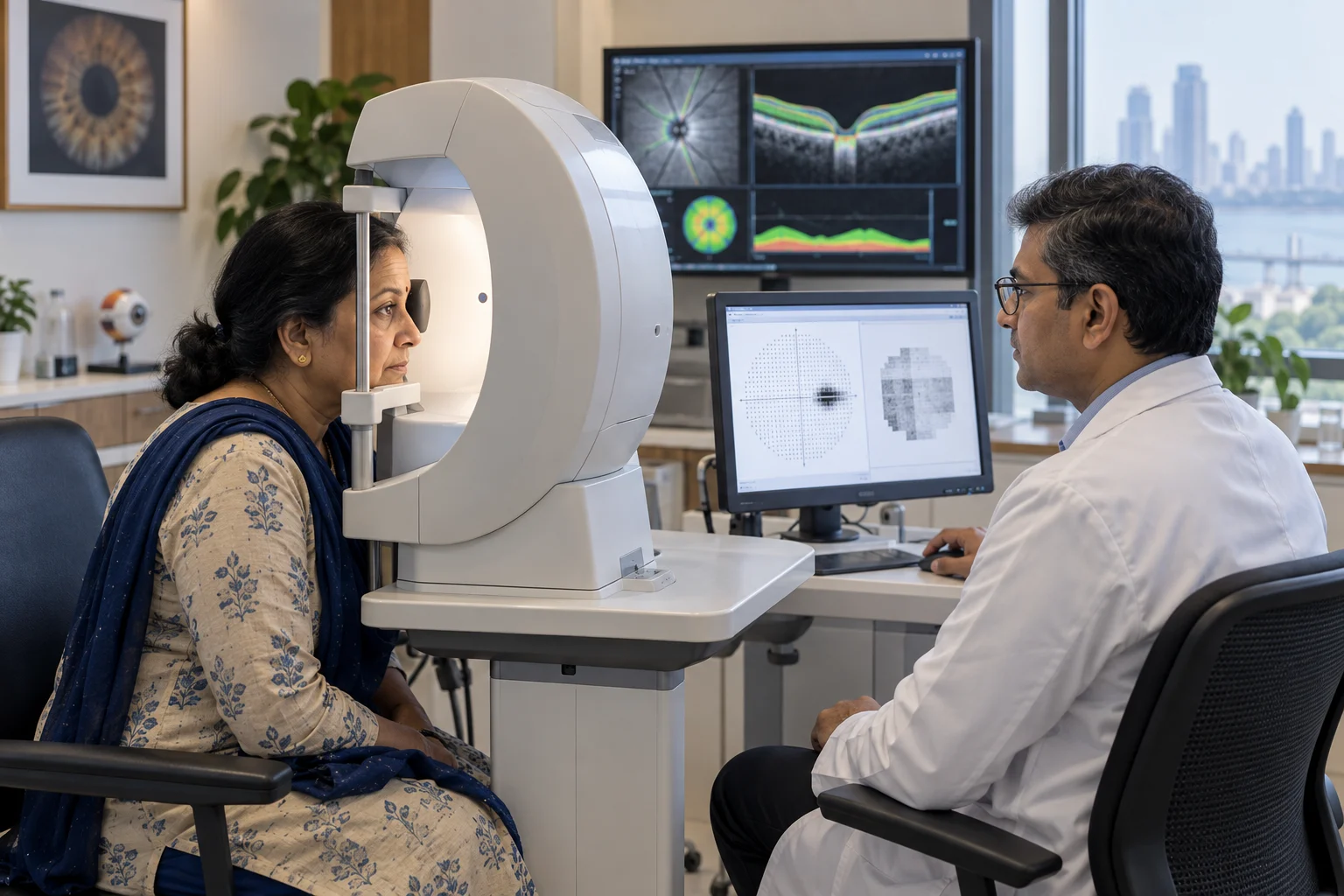
Glaucoma care focuses on the optic nerve and the risk of progressive visual-field loss. Eye pressure is important, but diagnosis and monitoring also rely on nerve appearance, imaging, corneal factors and visual-field testing.
Who may benefit from glaucoma evaluation
A pattern of findings, rather than one number, guides glaucoma assessment.
Family history
A close relative with glaucoma can increase the need for risk-based review.
Raised eye pressure
A pressure reading needs interpretation with the optic nerve and other risks.
Optic-nerve or field changes
Suspicious imaging or visual-field findings need specialist correlation.
Long-term monitoring
People using glaucoma drops need adherence, response and side effects reviewed.
How the consultation works
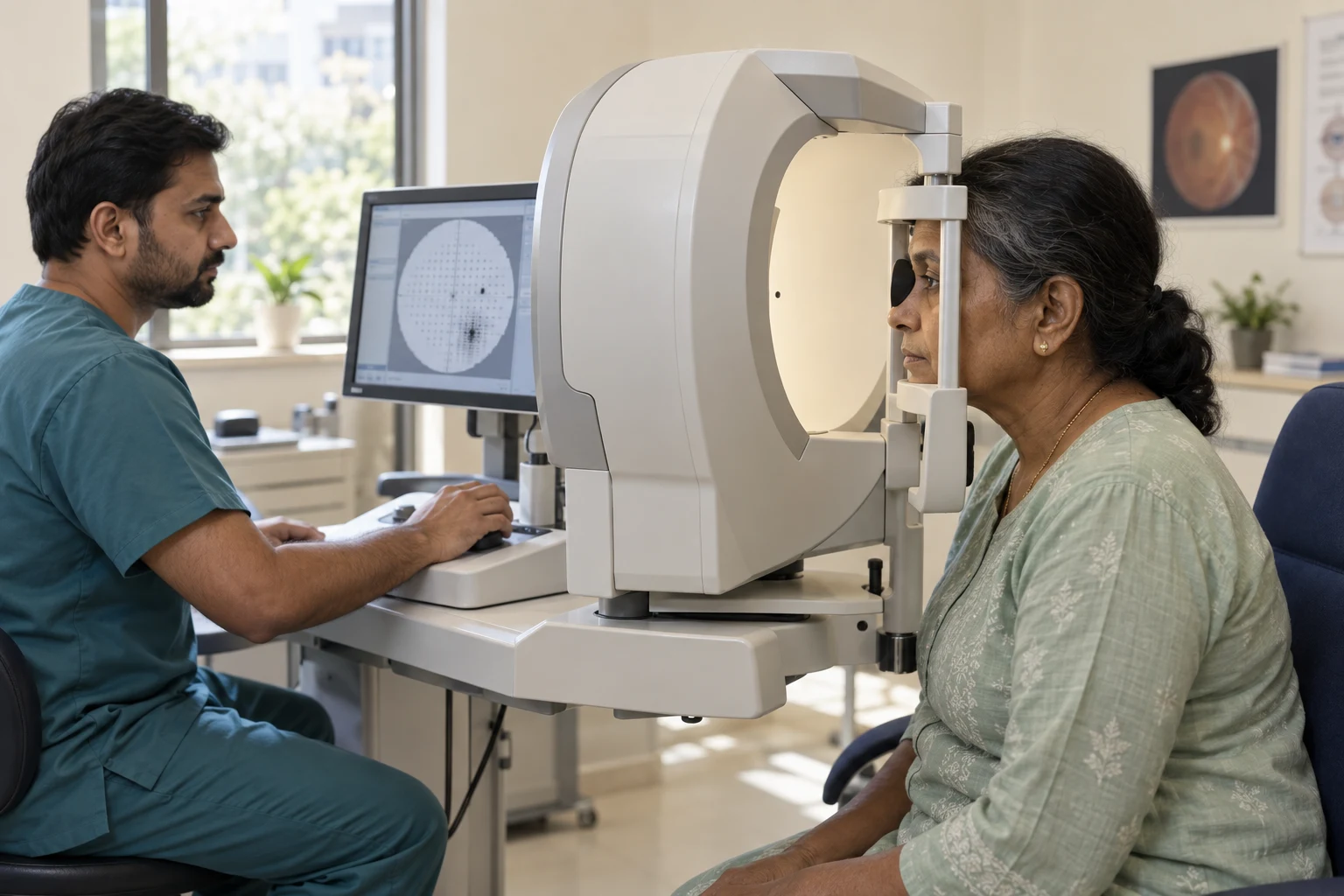
Repeatable, comparable tests help the ophthalmologist judge stability or progression.
- 01
Review family history, medicines and pressure readings.
- 02
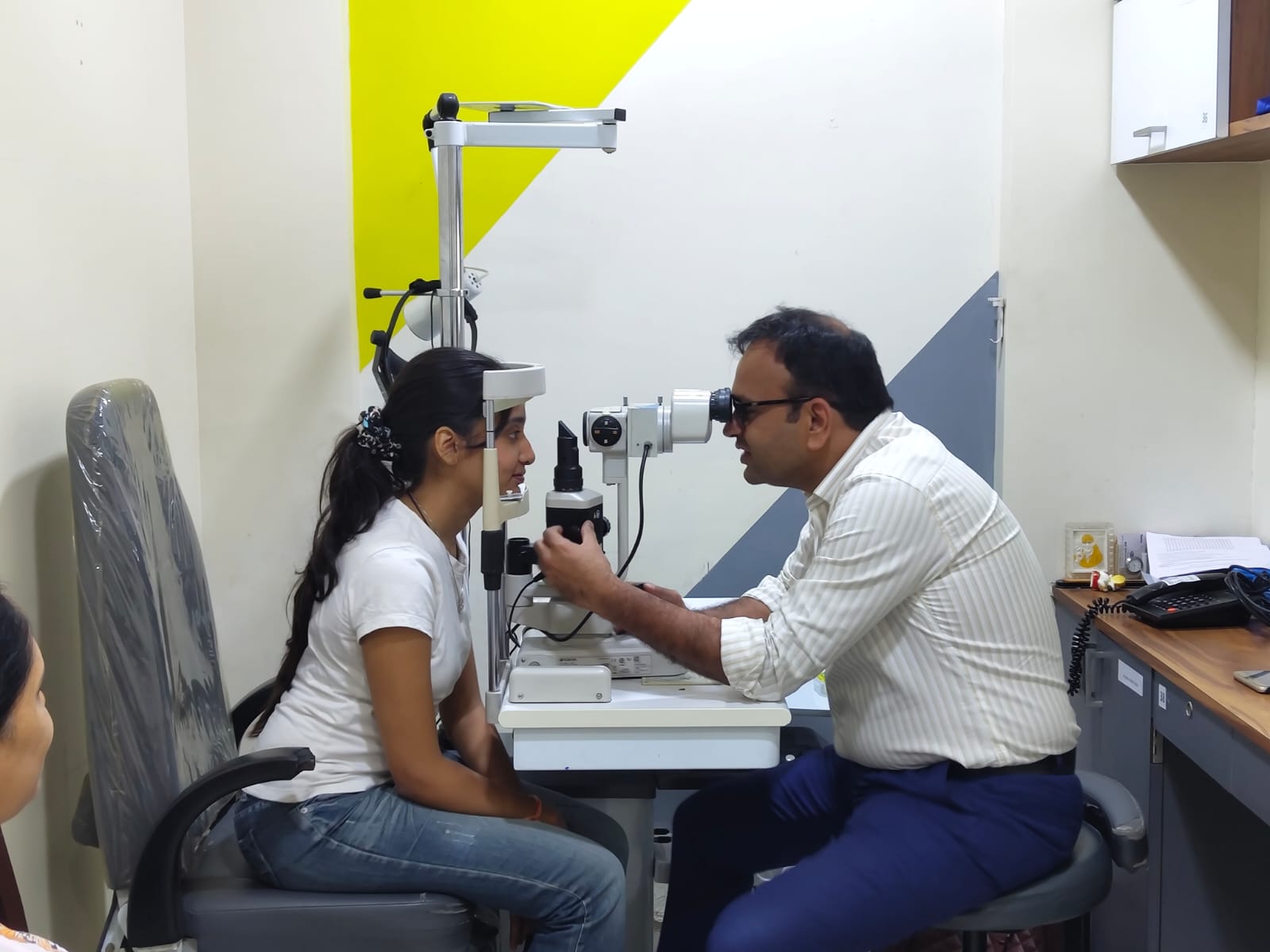
Measure pressure and examine the drainage angle when indicated.
- 03
Assess the optic nerve with examination and imaging.
- 04
Compare visual fields and agree a monitoring plan.
Your Glaucoma Care questions
Your ophthalmologist will explain what applies after examining your eyes.
Yes. Pressure is one risk factor and some damage occurs within statistically normal ranges.
Do not stop prescribed medicine without speaking to your ophthalmologist.
Reliable repeat tests help identify meaningful change over time.
Sudden vision loss, severe eye pain, chemical exposure or significant eye injury needs urgent in-person medical attention.
.jpeg)