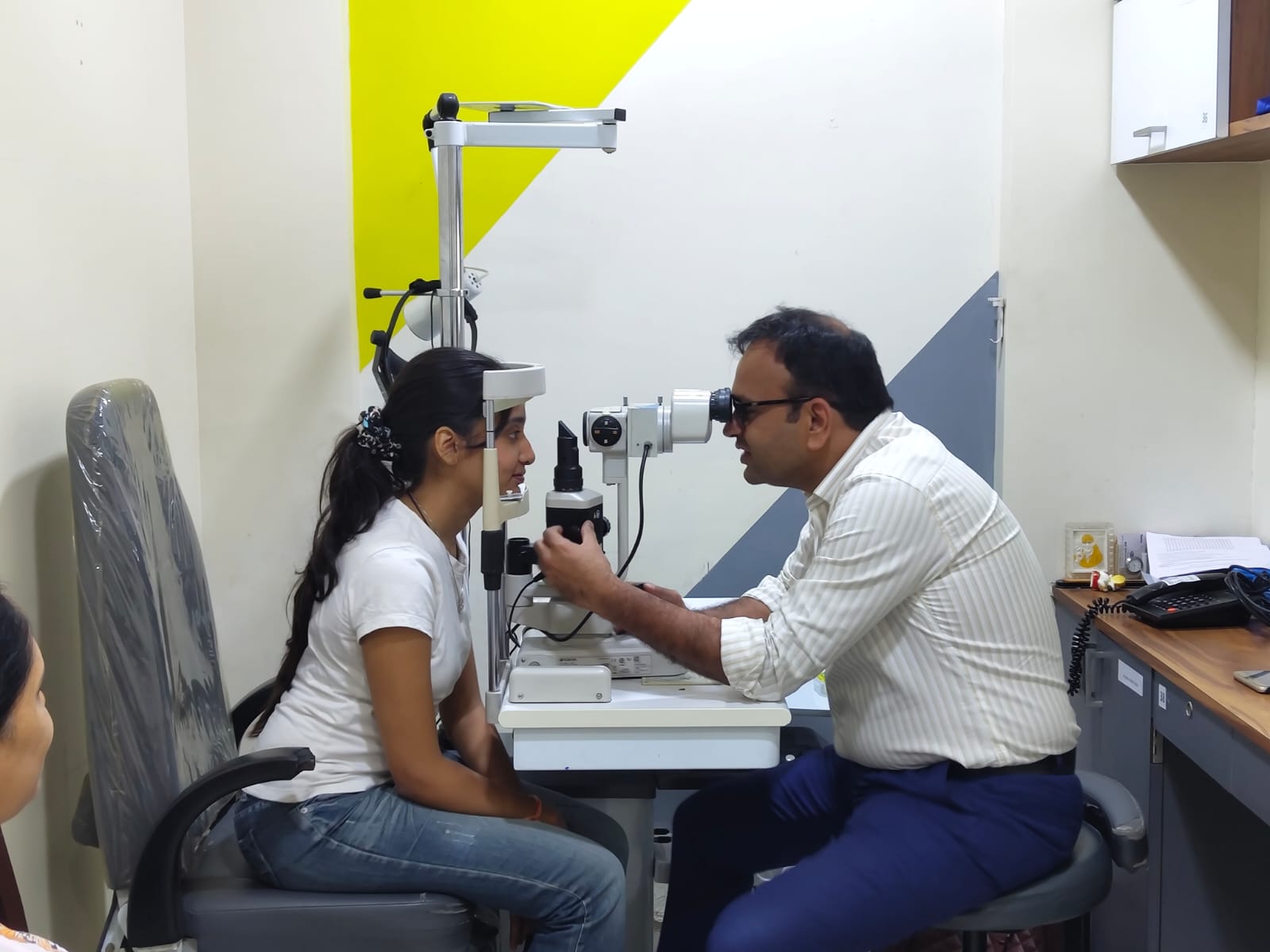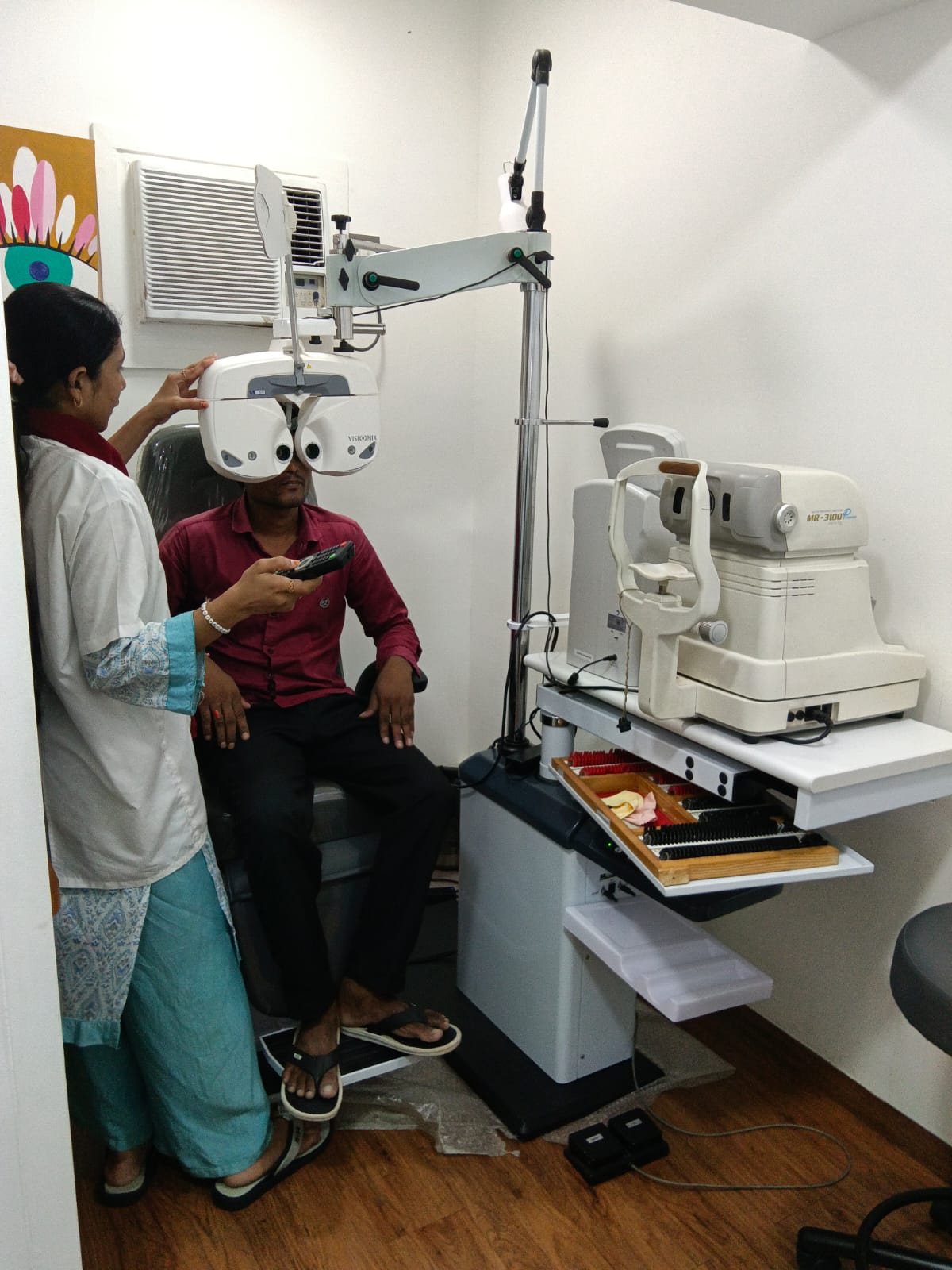

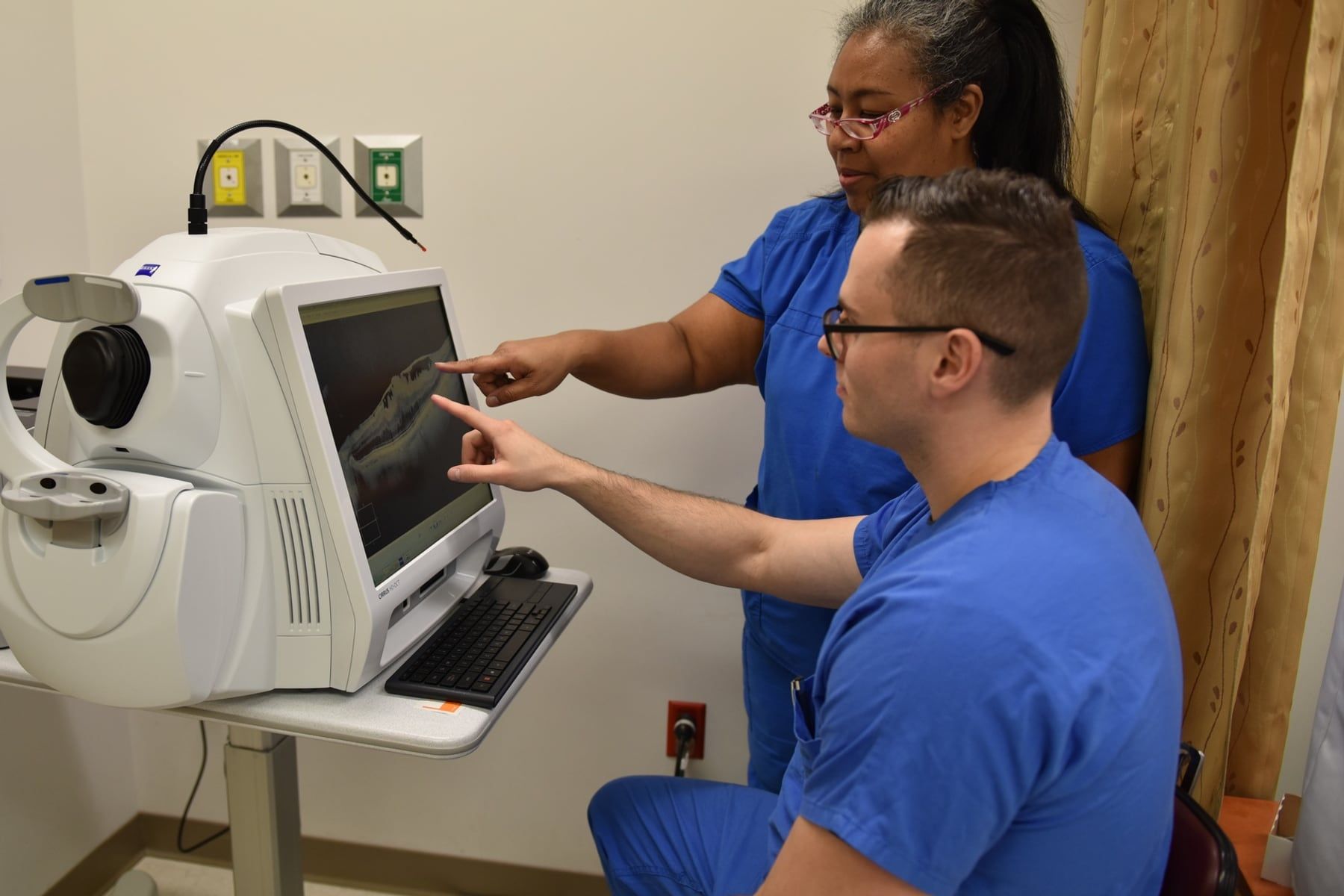
Retina and diabetic eye assessment
Retina services evaluate the light-sensitive tissue at the back of the eye and the macula responsible for detailed central vision. Symptoms, diabetes history, retinal imaging and a dilated examination are interpreted together.
Reasons to request a retinal review
New symptoms and medical risk factors can require prompt or routine retinal assessment.
Flashes or new floaters
A sudden change can need prompt examination to exclude a retinal tear or detachment.
Distorted central vision
Straight lines appearing bent or a central patch can involve the macula.
Diabetes and the eyes
Retinal changes can develop before a person notices a change in vision.
Unexplained vision reduction
One or both eyes may need a dilated retinal examination and imaging.
How the consultation works
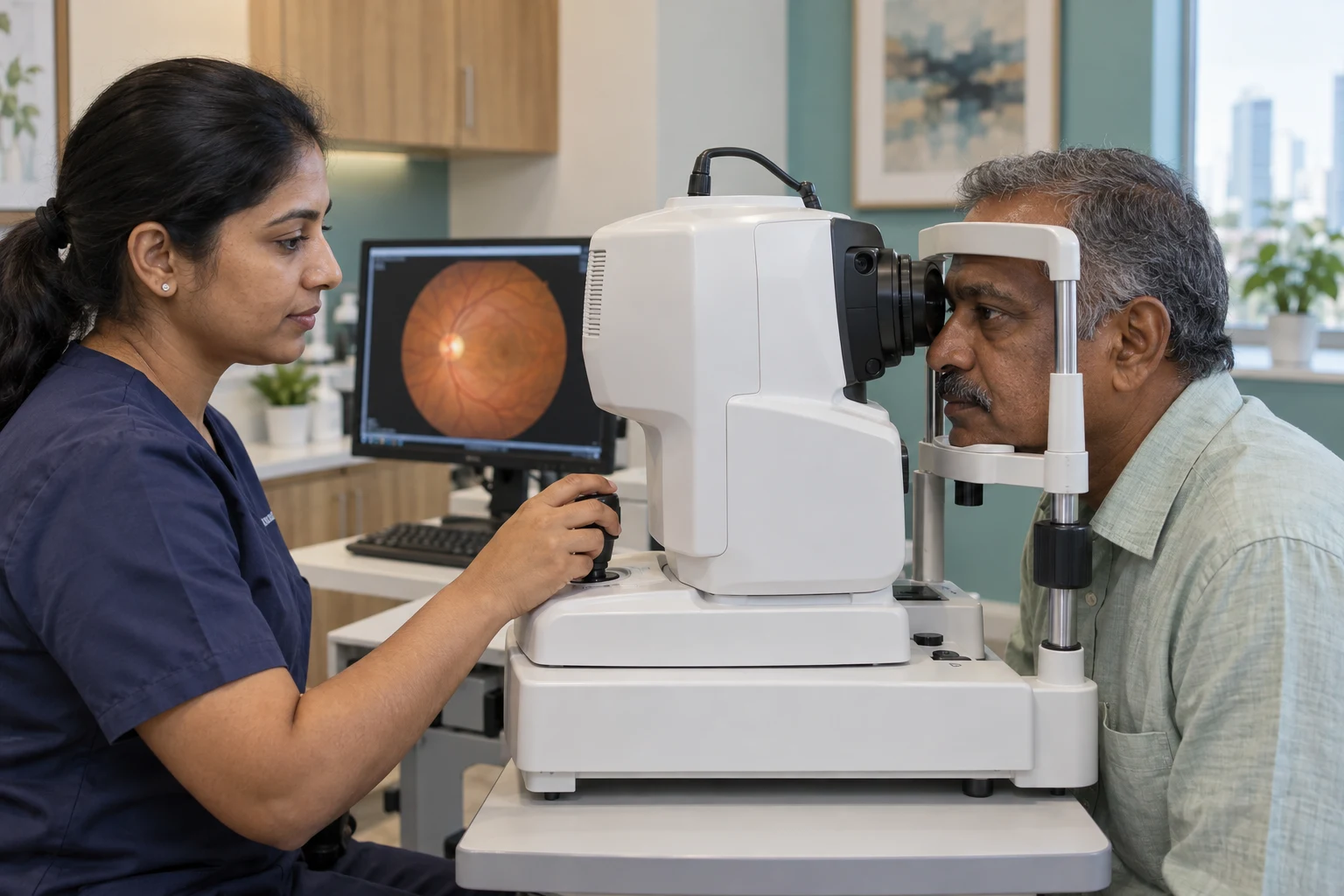
Retinal evaluation may include dilation and imaging. The exact combination depends on symptoms and examination findings.
- 01
Document onset, pattern and progression of symptoms.
- 02
Check vision and perform a dilated retinal examination.
- 03
Use OCT, photography or ultrasound when indicated.
- 04
Explain observation, treatment or follow-up requirements.
Your Retina & Diabetic Care questions
Your ophthalmologist will explain what applies after examining your eyes.
No. Diabetic retinopathy can be present before vision changes.
New flashes, sudden floaters, a curtain-like shadow or rapid vision loss needs prompt assessment.
OCT creates cross-sectional images of retinal layers and is interpreted with examination.
Sudden vision loss, severe eye pain, chemical exposure or significant eye injury needs urgent in-person medical attention.