Practical low-vision rehabilitation
Low-vision rehabilitation helps people use remaining vision more effectively when ordinary spectacles, medicine or surgery cannot fully restore function. Goals are practical and personal, such as reading, mobility, work or recognising faces.
Where visual rehabilitation may help
The assessment starts with what the person wants to do, then matches strategies to usable vision and the home or work environment.
Reading and near tasks
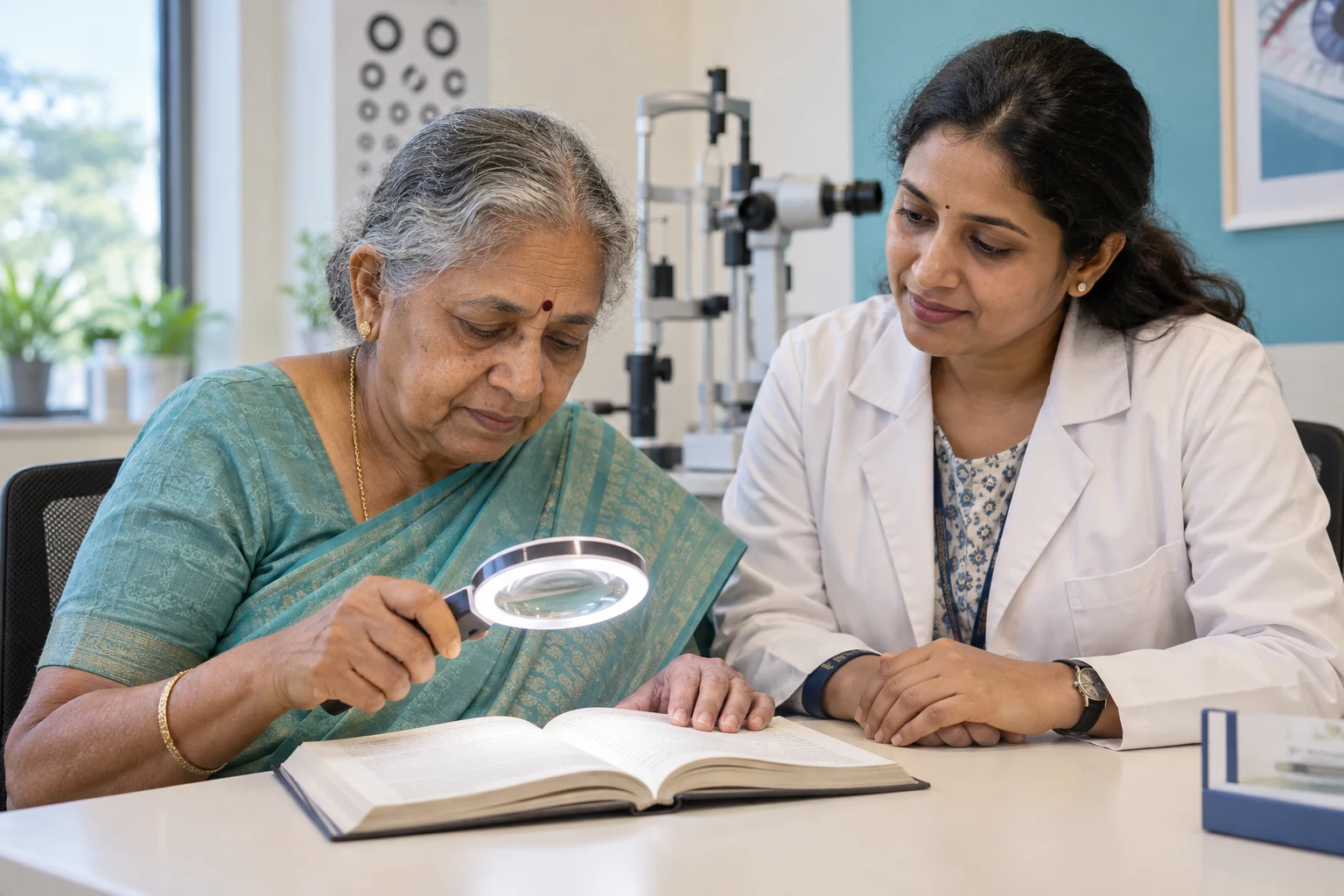
Magnification, lighting and task adjustments may improve access to print.
Mobility and orientation
Contrast, field awareness and mobility support can improve confidence.
Digital access
Accessibility settings and electronic magnification can support work.
Everyday independence
Environmental changes can make medicines and self-care safer.
How the consultation works
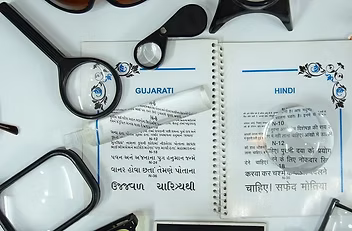
Optical, electronic and non-optical strategies are matched to real tasks and personal goals.
- 01
Identify priority tasks and situations causing difficulty.
- 02
Measure distance and near vision, contrast and fields as relevant.
- 03
Trial magnification, filters, lighting and accessibility options.
- 04
Provide training, written guidance and useful referrals.
Your Low Vision questions
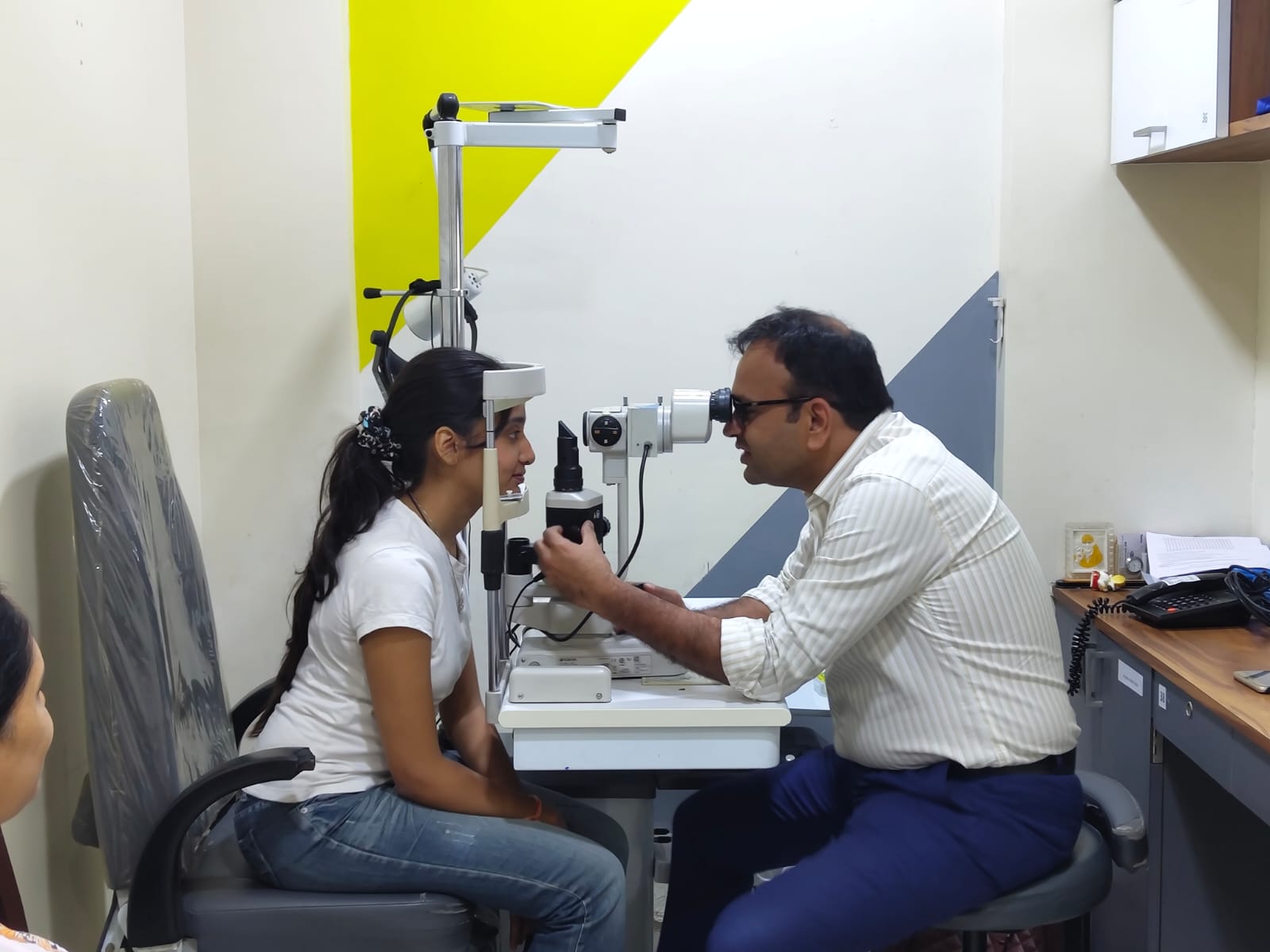
Your ophthalmologist will explain what applies after assessing your goals and usable vision.
Low vision describes significant difficulty after standard correction but often leaves useful vision.
Magnification, task distance, lighting and contrast may be more helpful than a routine change.
Options are normally demonstrated and trialled against real tasks first.
Sudden vision loss, severe eye pain, chemical exposure or significant eye injury needs urgent in-person medical attention.
.jpeg)